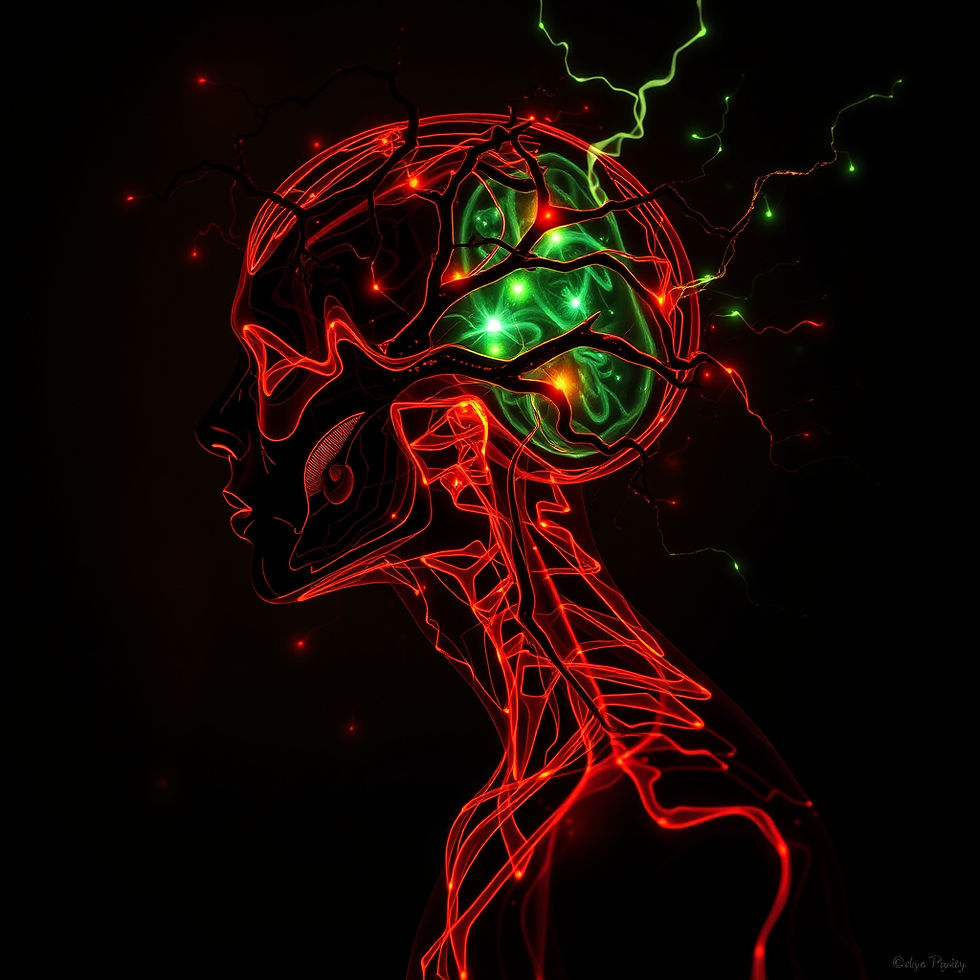
Your Brain Isn't Broken — It's Different
Updated: Apr 30
Understanding neurodiversity, and how what you eat and how you live can make a real difference.
by Livia Lai, Nutritional Therapist
Whether you’ve just started wondering if neurodiversity might explain your experience, or you’ve been living with a diagnosis for years, this piece is written for you. Both groups will find something useful here.
Have you ever felt like your brain just doesn’t work the way everyone else’s does? Like the world wasn’t quite designed with you in mind? You’re not alone, and there’s a name for it.
Neurodiversity is a term you might be hearing more often. It simply reflects the idea that brains are wired differently — and those differences aren’t flaws, but part of normal human variation. This newsletter is your friendly introduction to what neurodiversity means, how it might be showing up in your everyday life, and the very real role that nutrition and lifestyle can play in supporting a neurodivergent brain.

So, What Is Neurodiversity?
Neurodiversity is the understanding that there isn’t just one “normal” way for a brain to work. Just as people differ in personality, temperament, and physical traits, our brains are wired differently, too, and that variation is a natural part of being human, not a defect.
First introduced by Judy Singer, this perspective has helped shift the conversation around conditions like autism. Instead of focusing only on what’s “wrong” or missing, it opens up a more balanced view, one that recognises both the challenges and the strengths that can come with different ways of thinking.
Rather than asking how someone can fit into a narrow idea of “normal,” neurodiversity encourages us to ask a different question: how can we better support different ways of thinking?
The term covers a broad range of conditions, including:
CONDITIONS UNDER THE NEURODIVERSITY UMBRELLA |
Autism Spectrum Disorder (ASD) — differences in social communication, sensory processing, and patterns of thinking |
ADHD (Attention Deficit Hyperactivity Disorder) — difficulties with focus, impulse control, and regulating attention and energy |
Dyslexia — challenges with reading, spelling, and written language processing |
Dyspraxia / DCD (Developmental Coordination Disorder) — difficulties with coordination, motor planning, and organisation |
Dyscalculia — difficulties with numbers and mathematical concepts |
Tourette's Syndrome — involuntary movements or sounds (tics) |
Sensory Processing Disorder — heightened or diminished sensitivity to sensory input |

Many adults are discovering their neurodivergent identity later in life, often after years of wondering why certain things felt so much harder for them than for others. If you’re in that position, still exploring, not yet diagnosed, or simply curious, you don’t need a formal label to benefit from the information in this piece.
How Does This Actually Show Up in Daily Life?
Neurodivergence isn't just a diagnosis on paper. It shapes daily experience in ways that can be invisible to others but quietly exhausting for the person living it. Here are some examples you might recognise:
Sarah, 34 — The Overwhelmed Professional
Sarah has always been told she’s “too sensitive.” Fluorescent lighting, background noise, and back-to-back meetings leave her drained before the day has even really begun. What others experience as normal, her nervous system experiences as overload — later understood as sensory sensitivity linked to autism.
James, 42 — The Late-Diagnosed ADHD Adult
James is creative, quick-thinking, and full of ideas — but has struggled with missed deadlines, job instability, and strained relationships. For years, he believed he was simply lazy or lacking discipline. An ADHD diagnosis at 40 reframed his entire life, replacing shame with understanding.
Emma, 38 — The Missed Diagnosis
Emma was high-achieving at school, which is exactly why no one thought to look for ADHD. She developed meticulous coping strategies to keep up, but behind the scenes, she was exhausted, overwhelmed, and silently struggling. Women’s ADHD presentations are often quieter and more internalised, meaning they’re frequently missed until adulthood. Emma’s diagnosis at 38 finally made sense of a lifetime of feeling like she was working twice as hard for half the result.
Mark — The Chronically Exhausted Parent
Mark balances work, family, and social expectations — but beneath the surface, he’s constantly masking his autistic traits to fit in. By the end of the day, he’s completely depleted. What he’s experiencing has a name: autistic burnout — a state of deep mental, emotional, and physical exhaustion that builds when masking demands exceed available energy.
If any of these scenarios resonate — whether for yourself or someone you love — know that understanding is the first step, and support is available.
The Gut-Brain Connection: Why Nutrition Matters
Here's something that often surprises people: your gut and your brain are in constant conversation. This relationship, known as the gut-brain axis, means that what you eat has a direct impact on how your brain functions, how you feel emotionally, and even how well you can focus, self-regulate, and manage sensory input.
For neurodivergent individuals, this connection matters even more. Research is increasingly showing that many people with ADHD, autism, and related conditions have differences in gut microbiome composition, higher rates of nutritional deficiencies, and increased inflammation — all of which can amplify difficulties with mood, cognition, and behaviour. Gut dysbiosis can show up as:
Bloating, gas, diarrhoea or constipation
Fatigue and brain fog
Mood fluctuations
Understanding Your Gut: The Role of Stool Testing
Knowing that the gut-brain connection matters is one thing — but understanding your gut specifically is another. For many neurodivergent individuals, general dietary advice only goes so far. What's happening inside your digestive system is unique to you, and a comprehensive stool test can reveal exactly what's going on beneath the surface.
A functional stool analysis can assess:
Microbial diversity — the balance of beneficial and potentially harmful bacteria, including patterns increasingly linked to ADHD and autism symptoms
Inflammatory markers — signs of gut inflammation that may be amplifying neurological and behavioural difficulties
Digestive function — how well you're actually breaking down and absorbing the nutrients your brain depends on
Intestinal permeability — sometimes called "leaky gut," this refers to a compromised gut lining that can trigger immune responses and systemic inflammation
Presence of parasites, fungi, or pathogens — which can silently disrupt mood, energy, and cognition
For neurodivergent individuals with ongoing gut issues, this kind of testing can be genuinely illuminating. By understanding what's happening in your gut specifically, dietary changes, supplementation, and lifestyle shifts can be targeted at what your body needs.

KEY NUTRITIONAL AREAS TO EXPLORE
Omega-3 fatty acids
Found in oily fish (salmon, sardines, mackerel), chia seeds, flaxseeds, and walnuts. Omega-3s support brain structure, reduce inflammation, and have been linked in studies to improvements in ADHD symptoms — particularly attention and hyperactivity.
Stabilising blood sugar
Spikes and crashes in blood glucose directly affect mood, concentration, and emotional regulation — all areas that may already feel more sensitive. Prioritising protein at breakfast, reducing ultra-processed foods, and building meals around fibre-rich vegetables, quality protein, and complex carbohydrates can create a much steadier energy baseline throughout the day.
Protein and amino acids
Protein provides the building blocks (amino acids) needed to produce key neurotransmitters. Tyrosine supports dopamine production — influencing motivation, focus, and drive — while tryptophan is needed to produce serotonin, which plays a role in mood, sleep, and emotional regulation. Including adequate protein throughout the day (such as eggs, chicken, turkey, fish, dairy, legumes, nuts, and seeds) can help support a more stable mood and cognitive function.
Iron, zinc, and magnesium
Deficiencies in these minerals are disproportionately common among neurodivergent individuals and are associated with difficulties in attention, sleep, and anxiety. Iron is particularly important for dopamine production. Magnesium can also support nervous system regulation and sleep quality. Leafy greens, pumpkin seeds, legumes, and red meat are excellent sources.
B vitamins — especially B6, B9, and B12
These are essential for neurotransmitter production and methylation — a process that supports mood, cognition, and detoxification. Some individuals have genetic variations (such as MTHFR) that affect how folate is processed, meaning they may benefit from more bioavailable forms.
Vitamin D
Vitamin D plays a key role in brain development, immune regulation, and mood balance. Low levels have been associated with low mood, fatigue, and neurodevelopmental differences. In places like the United Kingdom, where sunlight exposure is limited for much of the year, deficiency is particularly common, making regular testing and appropriate supplementation important.
Choline
Choline is essential for brain development, memory, and nervous system function. It plays a key role in the production of acetylcholine, a neurotransmitter involved in focus, learning, and attention. Rich sources include eggs (particularly the yolks), liver and fish, nutrients that can be especially supportive for cognitive clarity.
Gut health and diversity
A thriving gut microbiome supports serotonin production (around 90% is produced in the gut), helps regulate the stress response, and reduces inflammation. Focus on variety: fermented foods like natural yoghurt, kefir, unpasteurised sauerkraut, kimchi, and miso, alongside a wide range of plant foods to nourish beneficial bacteria.
Hydration
Often overlooked, adequate hydration is foundational for cognitive function, focus, and mood regulation. Even mild dehydration can impair concentration and increase feelings of fatigue — both already sensitive areas for many neurodivergent people. ADHD brains may forget to drink until thirst shows up; keeping water visible and accessible can help.
Caffeine and Stimulants
Many neurodivergent people, particularly those with ADHD, find that caffeine helps with focus. While moderate caffeine intake can have benefits, it’s worth being mindful: high intake disrupts sleep (which is already challenging for many), can worsen anxiety, and may destabilise blood sugar.
A Deeper Layer: Understanding Your Mineral Balance (HTMA)
While nutrition and lifestyle lay the foundation for wellbeing, sometimes deeper imbalances influence how we feel day to day. Hair Tissue Mineral Analysis (HTMA) is a simple, non-invasive test that measures minerals and trace elements stored in your tissues, revealing patterns that affect energy production, stress response, blood sugar regulation, and nervous system function — all areas closely linked to focus, mood, and resilience.
For neurodivergent individuals, HTMA can be particularly valuable. It not only highlights essential mineral imbalances, such as magnesium, zinc, copper, or sodium, but can also detect accumulated heavy metals — like lead, mercury, or cadmium — that may contribute to neurological sensitivity, fatigue, difficulty concentrating, or heightened stress response. This insight allows support to be tailored specifically to your body, whether through targeted nutrition, gentle detox strategies, supplementation, or lifestyle adjustments.
By understanding your mineral and heavy metal profile, you can make informed choices that complement both your nutritional plan and daily routines, creating a stronger foundation for brain and body health — and making lifestyle strategies far more effective.
Lifestyle Strategies That Truly Help
Nutrition doesn’t work in isolation. The way you structure your day, shape your environment, and support your nervous system plays an equally important role. For many neurodivergent individuals, these foundations aren’t just helpful — they’re essential.

LIFESTYLE PILLARS TO CONSIDER |
Sleep regulation — Many neurodivergent people experience disrupted sleep patterns or a delayed sleep phase. Supporting circadian rhythm through consistent sleep and wake times, morning light exposure, and reducing artificial light in the evening can have a profound impact on mood, focus, and energy. Creating a predictable wind-down routine also helps signal safety to the nervous system. |
Movement as medicine — Exercise supports dopamine, norepinephrine, and serotonin — key neurotransmitters involved in attention, motivation, and mood. This doesn’t have to mean intense workouts; even a 20-minute walk outdoors can improve focus and emotional regulation. The most effective approach is choosing a movement that feels enjoyable and sustainable. |
Sensory-friendly environments — Reducing sensory load (harsh lighting, background noise, visual clutter) isn’t indulgent — it’s therapeutic. Creating spaces that feel calmer and more regulated can significantly lower baseline stress and prevent overwhelm before it builds. |
Meal routine and structure — Many ADHD brains struggle with hunger cues and may “forget” to eat, leading to blood sugar crashes that worsen focus and emotional regulation. Gentle structure — such as regular mealtimes, simple meal prep, and keeping easy-to-access foods available — can stabilise energy and reduce decision fatigue. |
Stress management and nervous system regulation — Practices like breathwork, mindfulness, time in nature, and creative outlets help regulate an often overactive nervous system. These aren’t just “nice to have” — they are practical tools that support resilience, recovery, and emotional balance. |
Understanding your own pattern — Tracking symptoms, energy, mood, and food intake even loosely can reveal personal patterns that are unique to you — and this data becomes powerful when working with a practitioner. |
Where to Start
Start with one small shift. Maybe it’s adding protein to your breakfast. Maybe it’s creating a simple evening wind-down routine. Maybe it’s stepping outside for a few minutes of morning light. These changes might seem small, but when they’re consistent, they begin to create real, lasting shifts.
And if you’d like more personalised support, you don’t have to figure it all out on your own.
At a Glance — Key Takeaways
Neurodiversity describes natural variation in brain wiring — not deficits, differences.
This piece is for everyone: whether you've just started exploring or are years into your journey.
Your gut and brain are in constant conversation — nutrition directly shapes mood, focus and energy.
Key areas to explore: omega-3s, blood sugar balance, protein, iron/zinc/magnesium, B vitamins, vitamin D, choline, and gut health.
Lifestyle foundations matter just as much: sleep, movement, sensory environment and stress regulation.
HTMA testing can reveal deeper mineral imbalances that affect day-to-day wellbeing.
Start small: one shift at a time. Personalised support is available if you'd like guidance.

Ready to explore what support could look like for you?
I offer a free 20-minute discovery call where we can talk through what you're experiencing, what your goals are, and how a personalised nutritional therapy approach might support you. We can also explore whether testing, such as stool analysis or Hair Tissue Mineral Analysis (HTMA) might be a useful part of your plan.